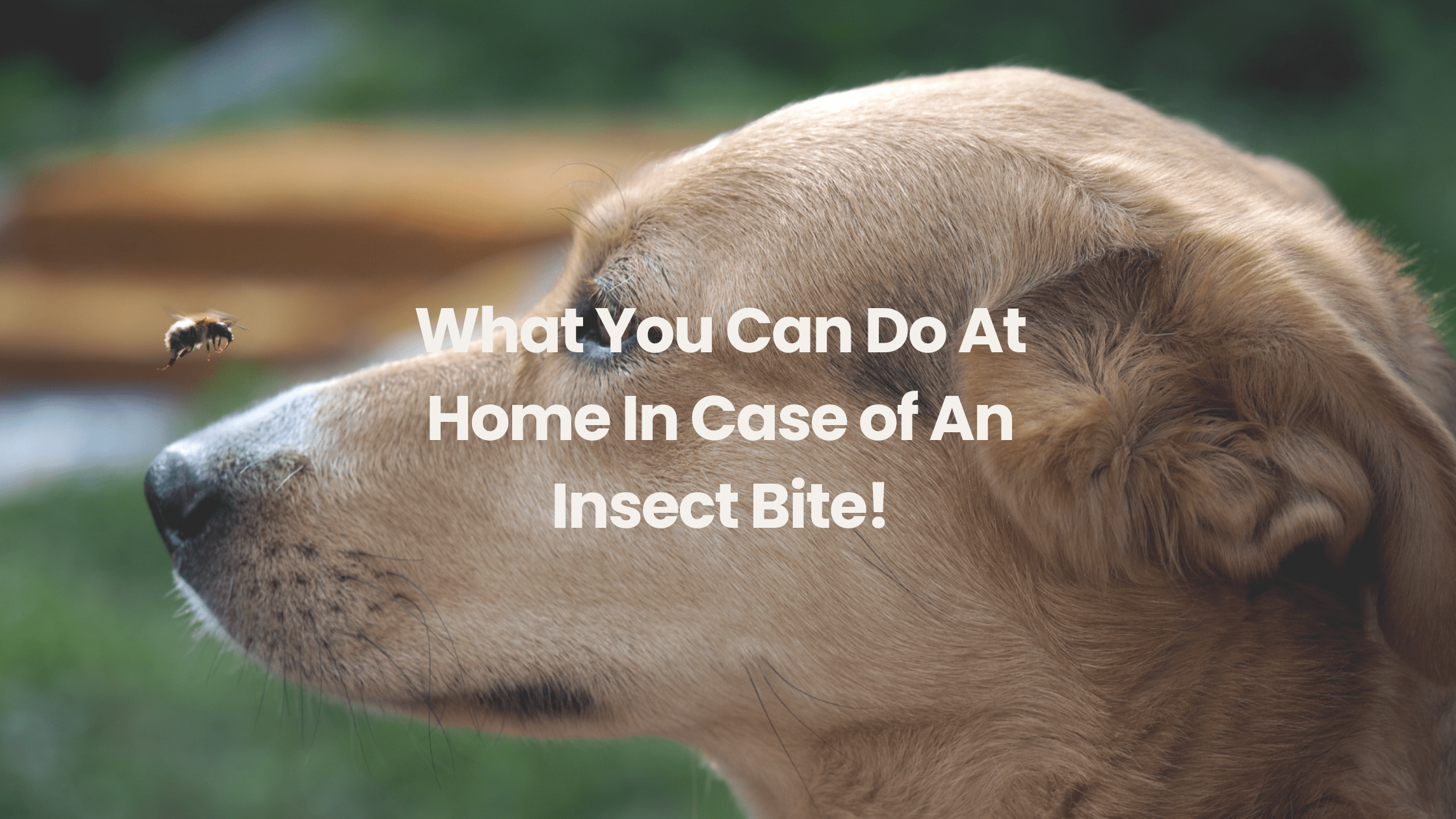
It happened in a matter of seconds.
We were playing when one of my dogs was bitten by an insect. Almost immediately, I noticed the area beginning to swell. She kept licking it, and within moments it was visibly swollen.
As any pet parent would be, I was concerned.
But I also know my dogs extremely well. I know what is normal for them, I understand their health history, and I have spent years learning about natural therapies and first aid.
This is an important distinction: I am not suggesting that every insect bite should be treated at home. Facial swelling, difficulty breathing, vomiting, collapse, weakness, pale gums, widespread hives or rapidly progressing swelling can indicate a serious allergic reaction and require immediate veterinary attention.
But this particular incident gave me another opportunity to see just how valuable it can be for pet parents to have a properly equipped first-aid kit and, more importantly, the knowledge to use it responsibly.
The first thing I reached for …
Apis mellifica ! One of the remedies which is traditionally associated in homeopathic practice with sudden swelling and reactions resembling those caused by a bee sting.
Within approximately 20 minutes of treating her, the swelling that had looked almost balloon-sized had returned remarkably close to normal.
Was I fascinated by what I saw?
Absolutely.
And this is precisely why I believe pet parents should educate themselves about different approaches to supporting their animals rather than dismissing modalities simply because they are unfamiliar.
What else you can use?
I also used several products and supportive measures that are part of my natural pet first-aid approach.
These included:
- Glacier Peak Herbaprin
- Your Go-To from Adored Beast
- 4-Legger shampoo to gently clean the affected area
- Turmeric as part of my broader nutritional approach
- Inflapotion added to her food as additional nutritional support
I don’t believe in throwing ten different things at an animal simply because something is labelled “natural.” Natural does not automatically mean safe, and more is not necessarily better.
The key is understanding why you are using something, how much to use, and whether it is appropriate for that particular animal.
The food matters too
That evening, she was actually supposed to have raw chicken. Instead, I put the chicken back in the freezer and took out lamb.
Why?
Because following an acute inflammatory event, I prefer to be thoughtful about the overall dietary picture. Chicken can be relatively high in omega-6 fatty acids, and while omega-6 fatty acids are essential and absolutely have a role in a healthy diet, I don’t want to unnecessarily skew the overall fatty-acid balance when I’m trying to support a healthy inflammatory response.
So, for this particular meal, I chose lamb and planned to support her diet with the other nutritional tools I already use.
This wasn’t about creating a “perfect anti-inflammatory meal.” It was simply about looking at the whole picture.
Your pets first aid kit should be more than just bandages!
One of the biggest lessons I want pet parents to take away from this experience is that a pet first-aid kit isn’t just about gauze and antiseptic.
It should contain products that are appropriate for your individual animals, and you should know how and when to use them.
Even more importantly, you should know when your first-aid kit isn’t enough.
That distinction is everything.
Being able to manage a minor incident at home can be incredibly empowering. But being able to recognise when something has crossed the line into an emergency is just as important.
Know when you need a vet..
If your dog develops significant facial or throat swelling, difficulty breathing, repeated vomiting or diarrhoea, weakness, collapse, pale gums, severe lethargy or rapidly progressing symptoms after an insect bite or sting, don’t wait to see if it improves. Seek emergency veterinary care.
And if you’re unsure, call your veterinarian.
Knowledge is confidence. I didn’t panic when I saw the swelling.
That doesn’t mean I wasn’t concerned. It means I had the knowledge, experience and resources to assess the situation and make a decision for my dog.
There’s a big difference between being prepared and being reckless.
I would never encourage someone to treat their dog at home simply because I did. What I would encourage is learning about canine first aid, understanding your dog’s normal behaviour and health, building an appropriate first-aid kit, and developing a relationship with veterinary professionals you trust.
Because sometimes our dogs need a vet.
Sometimes they need immediate emergency care.
And sometimes, with the right knowledge and appropriate circumstances, we can calmly support them at home while continuing to monitor them closely.
For me, that’s what responsible pet wellness looks like not choosing natural care instead of veterinary medicine, but becoming educated enough to understand where different approaches may fit.
Our dogs can’t tell us what’s wrong. The more we learn, the better advocates we can become for them.
About the Author

I'm Tisha – Founder, Holistic Pet Parent Community and I am currently studying with the CNM Institute in Dubai, specialising in holistic health and the interconnected relationship between nutrition, lifestyle, and environmental factors in both human and animal wellbeing.